HISTORY, FLOODS AND DROUGHT.
HISTORIA, INUNDACIONES Y SEQUIAS.
Projects
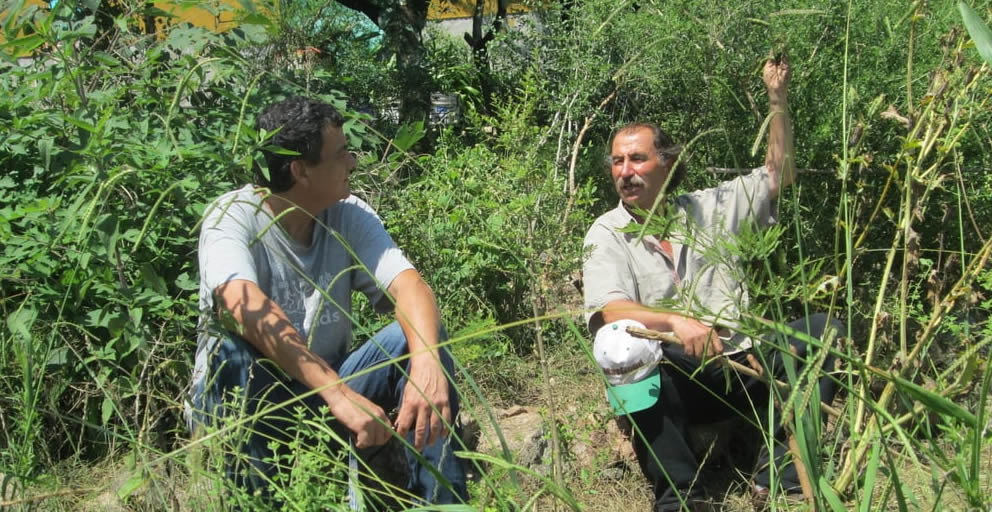
Nested in the Sierras Chicas of Cordoba there is a small community which has almost doubled its population every ten years. In 1991 there were 3,492 inhabitants. By year 2001, the population increased to 6,411. By year 2010, there were 9800 inhabitants, according to the census that year. According to exponential function, a steady growth of about 7% means that if this rate is maintained, population will double every ten years. Climate change is the new bad kid on the block and growing. The sad part is that the people who contributed little or nothing to the global warming are the ones who are paying the price. In Salsipuedes, Cordoba, Argentina climate has become more extreme. Extreme draughts in the year 2012 and 2013 prompted months without water service and wild fires. Extreme rains in 2014 and 2015 promoted floods and in some instances 40 mm of rain in a lapse of 20 min. Climate is long term weather but it is not as consistent nowadays. The lack of ordinances respecting nature in combination with industrialized societies are the culprit to human biggest challenge of our time, global warming. This project aims to show the resilience of the Canessa Family and to show that it is possible to live with and from nature and above all, promote diversity in a peri-urban agroecology system.
Proyectos
Ubicada en las Sierras Chicas de Córdoba existe una pequeña comunidad que casi duplica su población cada diez años. En 1991 habían 3.492 habitantes, en el año 2001 la población aumento a 6.411 y para el año 2010, 9800 habitantes, según el censo de ese año. De acuerdo a la funcion Exponencial, un crecimiento sostenido de alrededor del 7% significa que si esta tasa de población se mantiene, la población se duplicara cada diez años. El cambio climático es el nuevo chico malo de la cuadra que crece, la parte triste es que las personas que han contribuido poco o nada a ello, son los que están pagando el precio del calentamiento global. En los últimos años en Salsipuedes, Cordoba Argentina, el clima se ha vuelto extremo. Con sequías extremas en el año 2012 y 2013, los inquilinos de esta región estuvieron meses sin servicio de agua y con más incendios. Lluvias extremas en 2014 y 2015 causaron inundaciones y en algunos casos 40 mm de lluvia en un lapso de 20 minutos. La falta de respeto y atropello a la naturaleza en combinación con las violaciones de ordenanzas y las sociedades industrializadas son las culpables. El desafío más grande de nuestro tiempo para el ser humano, es el calentamiento global. Este proyecto tiene como objetivo mostrar la resiliencia de la familia Canessa y demostrar que es posible vivir en la naturaleza y de la naturaleza y sobre todo, promover la diversidad en un sistema de agroecología periurbana.
Las palabras de Cannessa / The words Of Cannessa:
Durante más de 20 años vivimos como única fuente de trabajo de un emprendimiento familiar, cultivo de hierbas aromáticas y medicinales típicas de las sierras de Córdoba, tales como Moradillo, Carqueja, Poleo y Palo Amarillo. Destacó la Peperina Serrana por ser la planta aromática y medicinal más popular de las sierras de Córdoba.
Somos una familia de 7 integrantes, papá, mamá y 5 hijos, todos estudiaron nivel primario, secundario y universitario de acuerdo a sus edades; nunca recibimos ningún subsidio del Estado.
La forma de cultivo fue reparando los tiempos y lugares que la naturaleza, sembrando en laderas con piedras y entre el monte autóctono, tal cual como son las sierras de Córdoba y junto a la convivencia de Algarrobo, Molle, Piquillin yCoco: es lo que da la calidad de aroma a la Peperina Serrana.
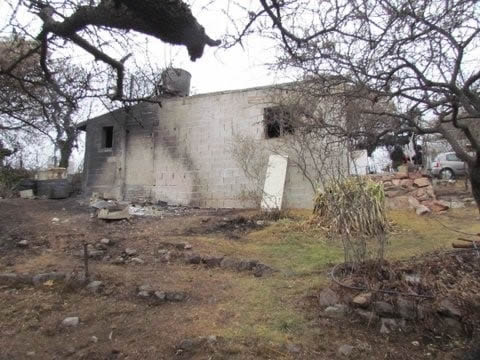
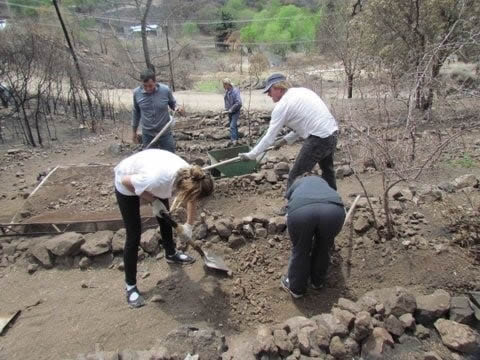
Hoy después de un terrible incendio forestal ocurrido el 9 del 9 de 2013; se rearmo el cultivo en terrazas con el asesoramiento del agro-ecólogo Rene Zazueta; con mayor profundidad de tierra negra y menos piedras, “se nota un mayor rinde de las plantas”.
Si bien es cierto que los gobiernos se ocupan muy copo de apoyar a quienes cuidamos la naturaleza, desde el cielo siempre alguien te ve y estoy agradecido de Rene y de tanta gente que nos ayudó para recuperar la fuente de trabajo familiar después del incendio forestal, quienes quieran o puedan pueden visitar nuestro cultivo orgánico.
“For over 20 years, we lived with the only source of work of a family entrepreneurship of aromatic and medicinal herbs characteristic of the Sierras de Cordoba, such as Moradillo, Carqueja, Poleoand Palo Amarillo, most noticeable, Peperina Serrana, being this one the most popular aromatic and medicinal plant from The Cordoba Sierras.
We are a family of 7, father, mother and 5 children, who studied elementary, secondary and college level according to their ages. We never received any subsidies from the Estate.
The way of plantinghealed times and places of nature, sawing in laders with rocks and native mount, as the Sierras de Cordoba are, and in coexistence with Algarrobo, Molle, Piquillin and Coco: which is what gives aroma quality to Peperina Serrana.
Today, after a terrible forest fire on 9/9/13, we have put together terraces to harvest with help from agro-ecologist Rene Zazueta; with more depth of humus and less rocks, it allows better yields. Although it is true that governments support very little those who take care of nature, from the sky always somebody sees you and I am grateful from Rene and so many people who helped us to recover our source of family work after the forest fire. Those who would like or are able to, could visit our organic crop.”